Predictive maintenance on extruder gearboxes: start there, not everywhere
By Aaron McClendon, Founder & CTO, Arkitekt AI
Fluke Reliability's 2025 downtime report puts weekly unplanned downtime losses at the largest industrial operators as high as $852M, according to trade coverage in MRO Magazine. L2L's 2025 downtime survey says most plants still can't tell you, line by line, what an unplanned hour actually costs them.
Those two facts together are why predictive maintenance keeps getting funded and keeps under-delivering. The program is scoped too big to succeed. "Vibration and thermal monitoring on the main extruder gearbox" is small enough to work.
Pick one asset, one failure mode
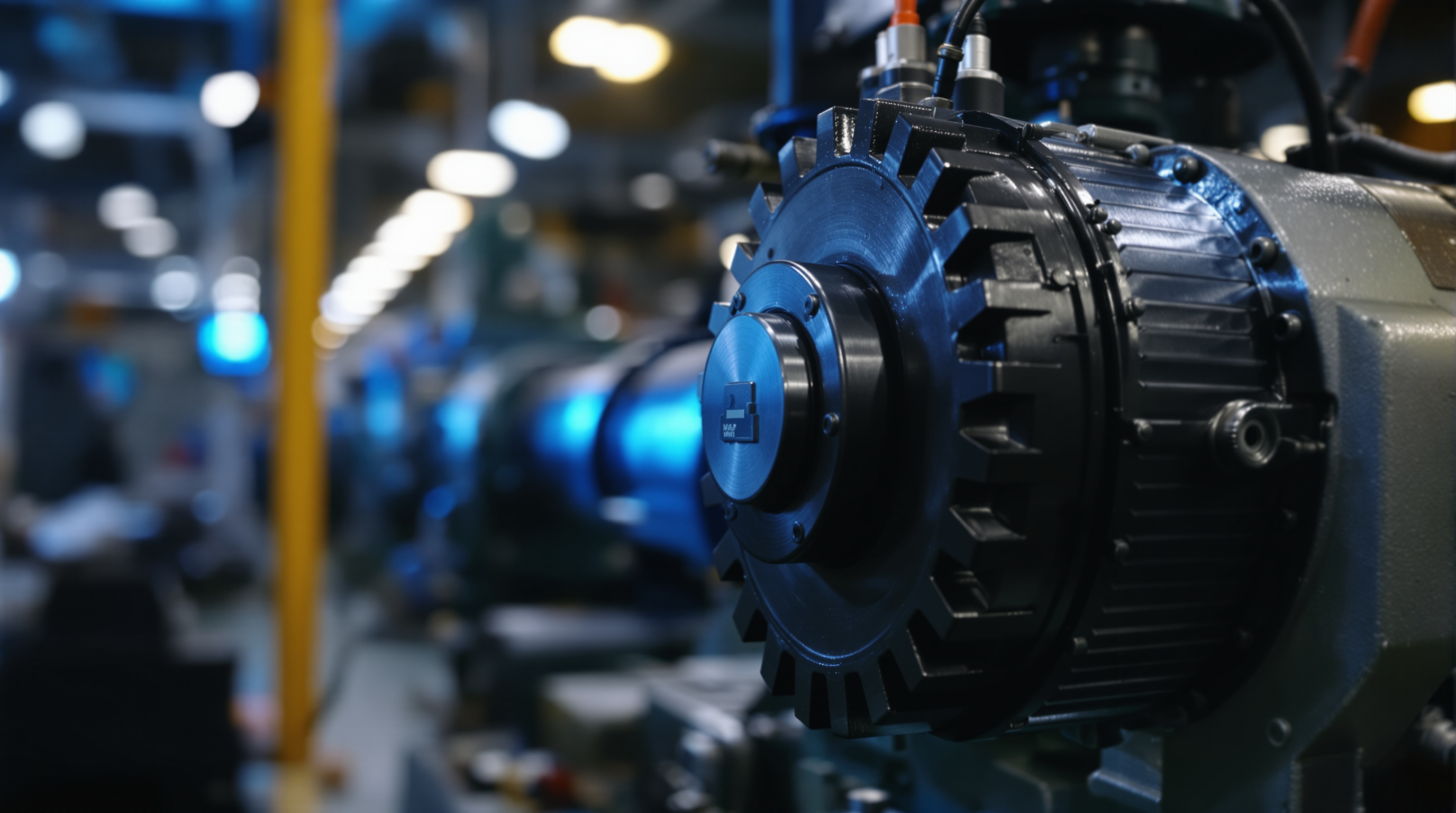
On a plastics extrusion line, the gearbox behind the screw is a good candidate and the reasoning is boring. It's expensive to replace, lead times on a rebuild are long, and when it goes, the line goes with it. The dominant failure modes — bearing wear, tooth pitting on the reducer, lube degradation — have signatures that show up in vibration spectra and oil temperature well before catastrophic failure. Plastics Machinery & Manufacturing's reporting on extruder predictive tools walks through which signals correlate and which stay noisy. Screw wear is hard. Gearbox bearing degradation is tractable.
Start there. One asset class, one or two failure modes, on your worst-offender line.
Be honest about the CMMS
The standard pitch is that you'll train a model on your CMMS work-order history. In practice, most CMMS histories are unusable for supervised learning. Work orders get closed with "repaired" and no failure code. The same failure gets logged three different ways by three technicians. Root causes are guessed at the end of a 12-hour shift.
We'd rather work from the physics. Put a sensor on the housing, capture a few months of baseline vibration and temperature under known-good operation, and alert on deviation from that baseline. You don't need 400 labelled failures to notice that the 1x and 2x running frequencies are climbing week over week.
The 3am problem
The fastest way to kill a predictive program is to wake the on-call millwright twice for nothing. After the second false positive, alerts get muted. After the third, the sensor gets unplugged.
So the alert threshold matters more than the model. In our experience it's worth being deliberately conservative early: alert into a daytime reliability review, not a pager, until you've seen the system call at least one real event correctly. Trust in the alert is the actual asset you're building. The model is just plumbing.
Run-to-failure is sometimes the right answer
Not every motor deserves a sensor. A $600 pump with a spare on the shelf and a 20-minute swap is a run-to-failure asset. The math for predictive only works when the downtime cost per hour times the probability of catching the failure early exceeds the cost of the monitoring plus the cost of the false positives.
Do that math per asset. It will kill most of your candidate list, and the ones left will be the ones worth doing well.
Arkitekt AI builds production-grade custom software on managed infrastructure — replacing the SaaS you've outgrown with systems you own. If you're paying for tools that almost fit, let's talk.
Source: “Inside Big Software's fight for its life,” Ashley Stewart, Business Insider, April 7, 2026.