The vision model caught the defect. Good luck attributing it.
By Aaron McClendon, Founder & CTO, Arkitekt AI
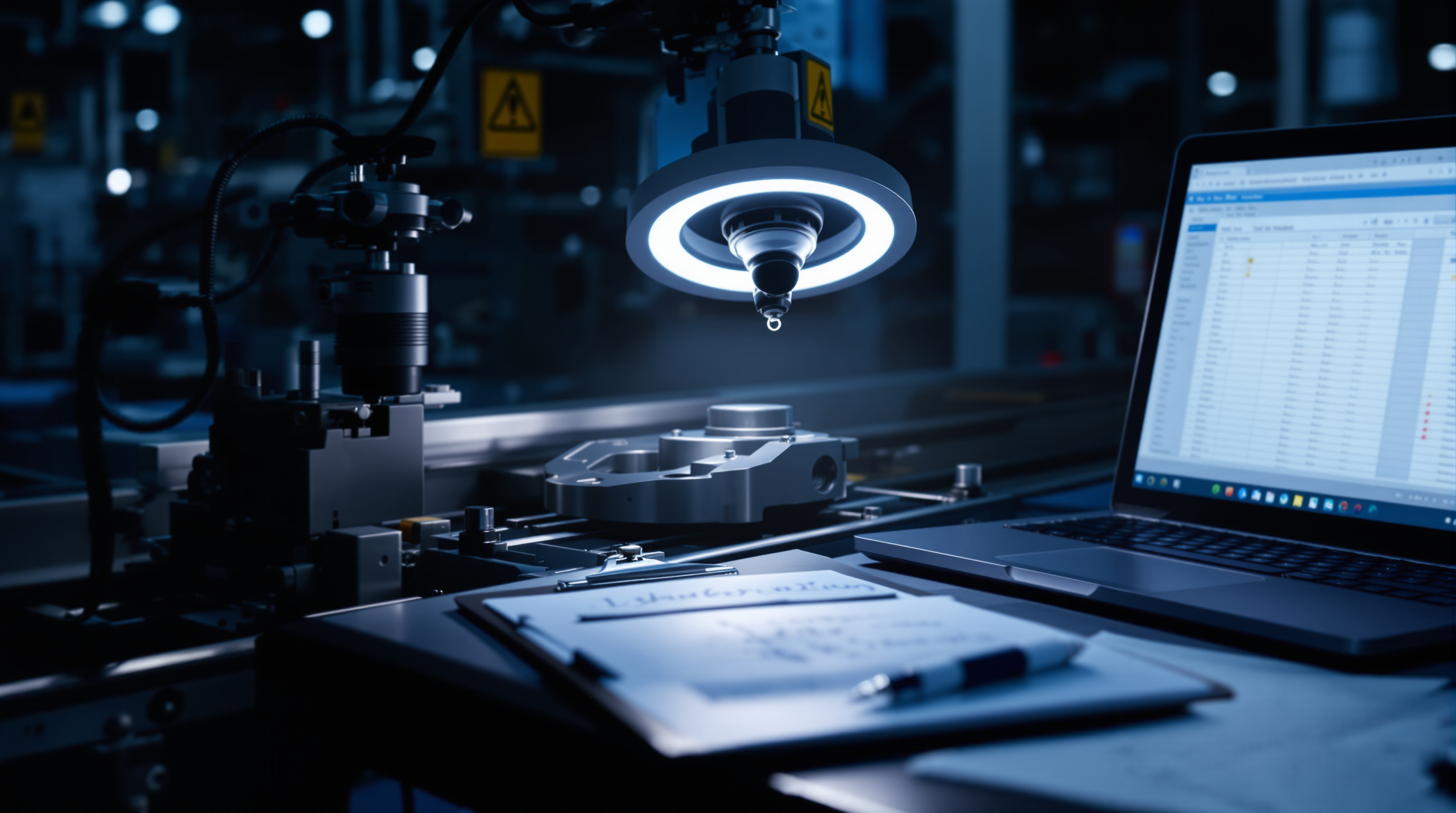
Trade press this quarter is full of the same story: machine vision is getting a software upgrade, and deep-learning models are now catching defect classes that rules-based vision used to miss. Control Engineering's recent coverage is a good snapshot — integrators are shipping AI-assisted inspection into lines where traditional vision kept failing on cosmetic defects, variable lighting, and parts with legitimate visual variation.
That's real progress. It also doesn't solve the problem most quality teams actually have.
The camera is not usually the bottleneck
Walk a plant and ask a quality engineer why first-pass yield dropped last Tuesday. In our experience, the answer is rarely "we couldn't see the defect." The answer is some version of: we saw it, we sorted it, we think it was the second shift on press 4, and we're pretty sure the material lot changed around then, but the traveller is in a binder and the setpoint history is in the historian and nobody has stitched them together.
That's not a vision problem. That's an attribution problem. Better cameras give you more defect records, faster. If the process record on the other side is a paper traveller and an operator's memory, you've just made the pile of unanswerable questions bigger.
Where attribution actually breaks
Verdantix made this point cleanly in a recent piece on quality processes outgrowing spreadsheets: once your quality data lives across Excel, paper, and tribal knowledge, root-cause analysis hits a ceiling you can't engineer past with more inspection. We'd go further. The ceiling isn't just on root cause. It's on every downstream thing you want to do with the data:
- Correlating a cosmetic defect spike to a specific barrel temperature deviation on an injection molding press. - Separating scrap from rework cleanly enough that the cost number isn't a guess. - Telling whether the night-shift yield gap is a people problem, a material problem, or a changeover problem. - Giving an agent any chance of drafting a useful CAPA from the last 90 days of events.
None of that works if the defect record and the process record can't be joined on time, asset, part, and lot.
What "analyzable" actually means
It's less exciting than a new camera. It's things like: every defect event has a timestamp accurate to the second, a machine ID that matches the historian's tag naming, a part and lot ID that matches what the MES thinks ran, and a defect code from a list short enough that two inspectors agree. It's a traveller that's digital at the point of capture, not transcribed from paper on Friday afternoon.
Do that, and the AI vision investment pays off, because now a found defect connects to the setpoints, the material, the operator, and the tool state that produced it. Skip it, and you've bought a very expensive defect counter.
Start with the boring layer. The cameras can wait a quarter.
Arkitekt AI builds production-grade custom software on managed infrastructure — replacing the SaaS you've outgrown with systems you own. If you're paying for tools that almost fit, let's talk.
Source: “Inside Big Software's fight for its life,” Ashley Stewart, Business Insider, April 7, 2026.